the W RUGBY origin story
We’ve been asked may times why we started W RUGBY, here’s our why.
nobody ever chose the ball
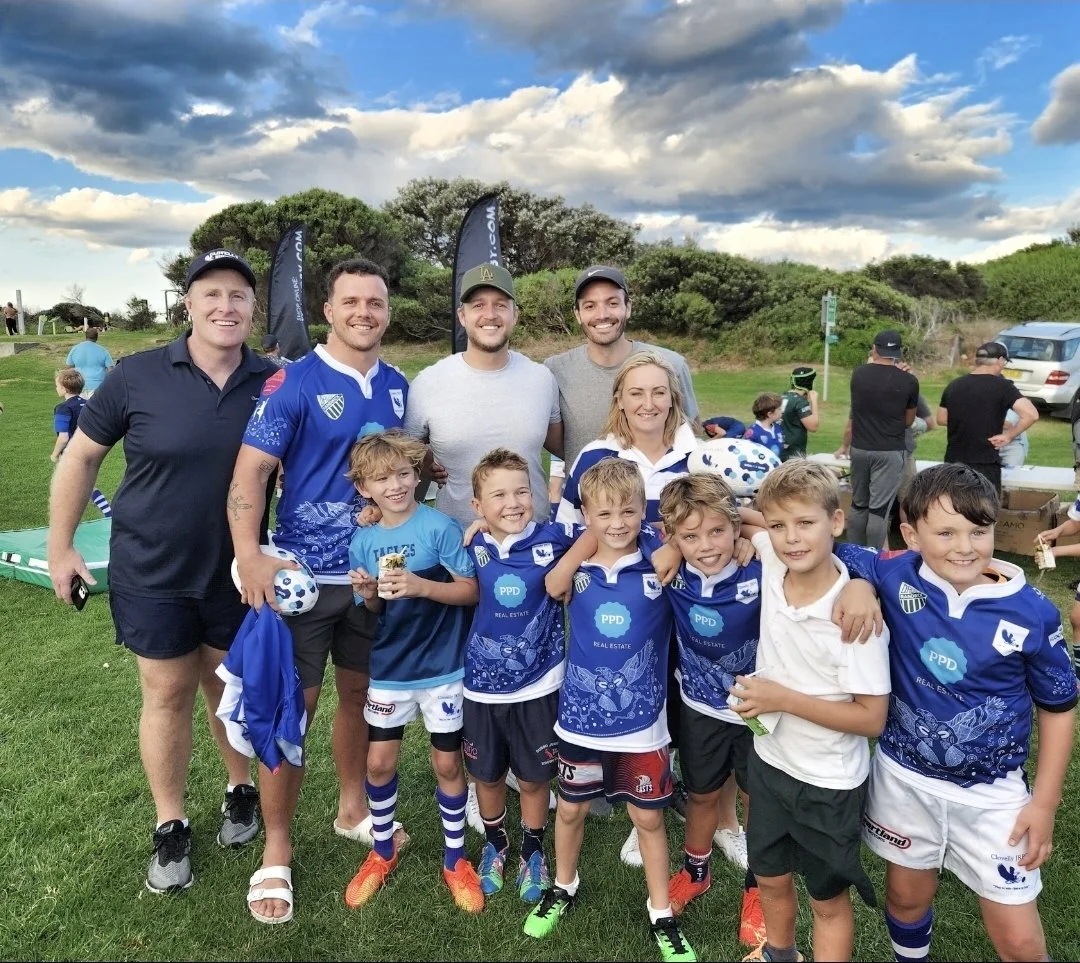
There is a bag in the corner of every clubhouse in the country. Torn mesh, mud dried into the weave, and inside it maybe 9 balls of which six still hold air. Every one of them the same brand. Ask anyone at that club why, and they will look at you like you have asked why the posts are H-shaped.
Nobody chose those balls. They’re just ‘there’. Same supplier as last season, same supplier as the club down the road, same supplier since before the current chairperson was born. Rugby is a sport that runs on inheritance, and inheritance is a very comfortable thing to sell into. You never have to be the best. You only have to be there first.
W RUGBY co-founder Dovy Cornerford’s background is an engineer, and engineers have an allergy to "that is just how it has always been done."
So he took one apart. Panels off, seams open, spread across a bench, asking a question nobody in the industry seemed to be asking any more: why is a ball that spends half its life in a British January built like this? Why this panel shape? Why this grip pattern, when the human hand does something quite specific to a ball at the moment you spin it off your left in the rain?
Then came the boring part, which is also the part that matters. University testing. Rigs and repeatable conditions and data instead of blokes in a bar saying it feels better. Flight. Grip. What actually happens off the boot in November when the pitch has gone to soup and the ball is a kilo heavier than it was at kick off.
The results were not marginal. Grip came back 30% better than what clubs already have in the bag. The flight was cleaner. The ball did what you asked it to do, which sounds like a low bar until you have watched an under 14 fly-half shank a restart because the ball squirted out of their hands in the wet.
So we had a better ball, and a plan to go with it. Take it to the elite end, win at the level where everyone is watching, let it trickle down. Shake the tree.
It was a perfectly good plan. It was also, if we are being honest, the plan every challenger brand in sport has ever written on a whiteboard.
Then August 2020 happened.
the launch
Ireland released a new jersey that month. The men's shirt went out first, worn by named internationals, shot properly, everything you would expect from a national squad and a global kit brand with a budget.
The women's shirt went out a few weeks later, and it was the new jersey superimposed onto an old photograph. No squad. No names. Not even the right shorts.
The response did not come from the industry. It came from players. Florence Williams put the two launches side by side and asked the obvious question, and within about 48 hours something remarkable happened. Women and girls from minis pitches to Test level flooded the timeline with photographs of themselves in their own kit, muddy and mid-tackle and entirely real, under #IAmEnough. There was an apology within the week.
What stayed with us was where it happened. This was the top of the sport. A union, a sponsor, a photographer, a budget, a boardroom full of people whose job it is to think about exactly this. Every resource anyone could want, and the women's game still ended up as the version of the shoot that got done on a Tuesday afternoon by someone in a hurry.
Which raises a question you cannot un-ask. If that is what happens at the very top, with all of that money and all of that attention, then what on earth is happening on a Wednesday night at a club with one set of posts, no floodlights and a shed with a kettle in it?
We went and looked. And the honest answer is that nobody was looking after that part of the game at all. Not the ball brands. Not the kit brands. Nobody had ever really tried.
andy going for grassroots
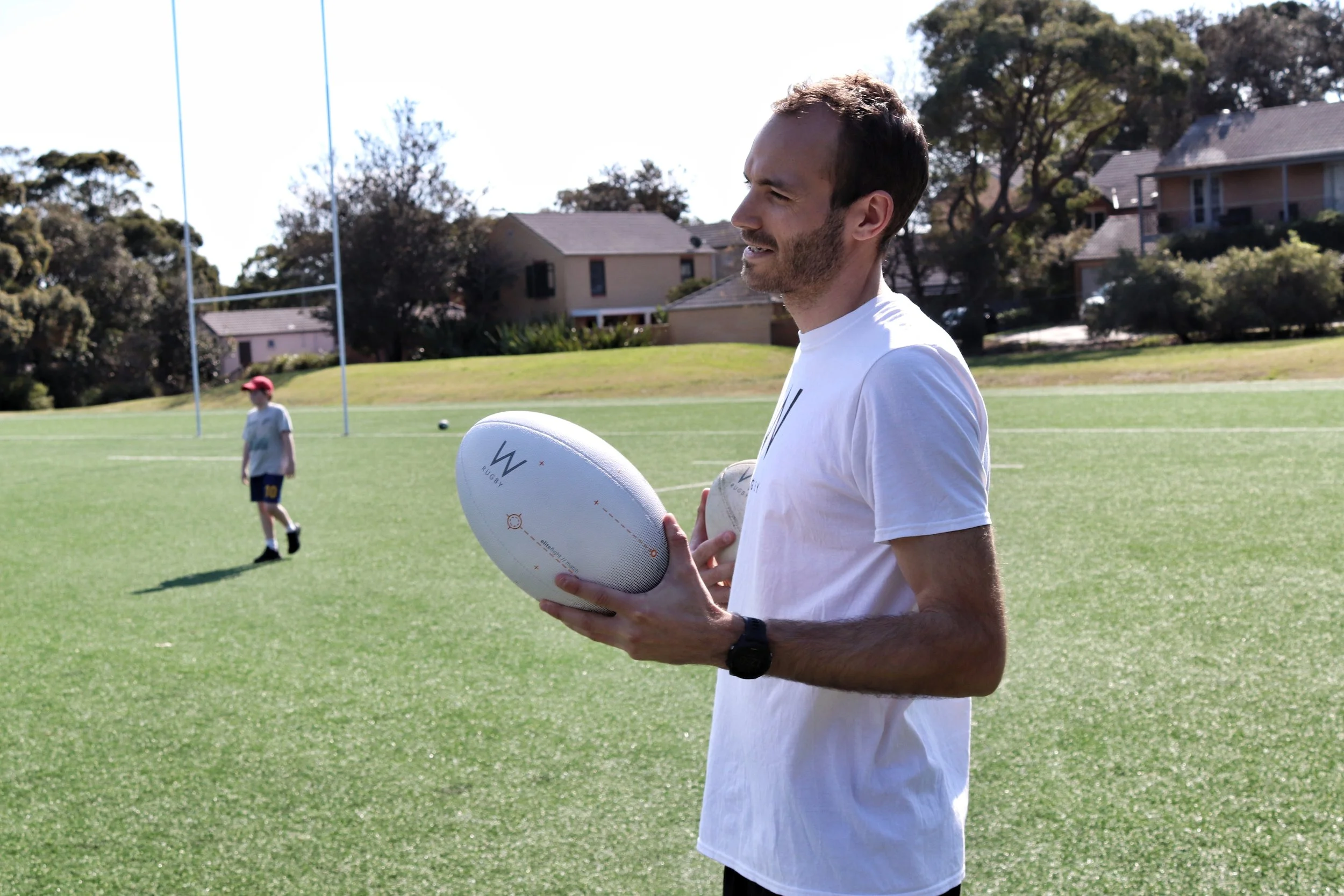
Andy Lewis’ background is sport and exercise science. Before W RUGBY he spent time in New Zealand working with children and families living with obesity, getting them moving and then, far harder, keeping them moving.
Anyone who has done that work knows a thing that never makes it onto a spreadsheet. Nobody in history has taken up a sport because of a health outcome. They take it up because someone made it look like the best thing in the world, and then someone made them feel welcome the first time they turned up not knowing anyone.
That is grassroots rugby entirely.
The ball we had built stayed exactly as it was. Who we built it for changed completely.
won for won™
Here is what we do about it, and it is deliberately simple enough to explain on a touchline.
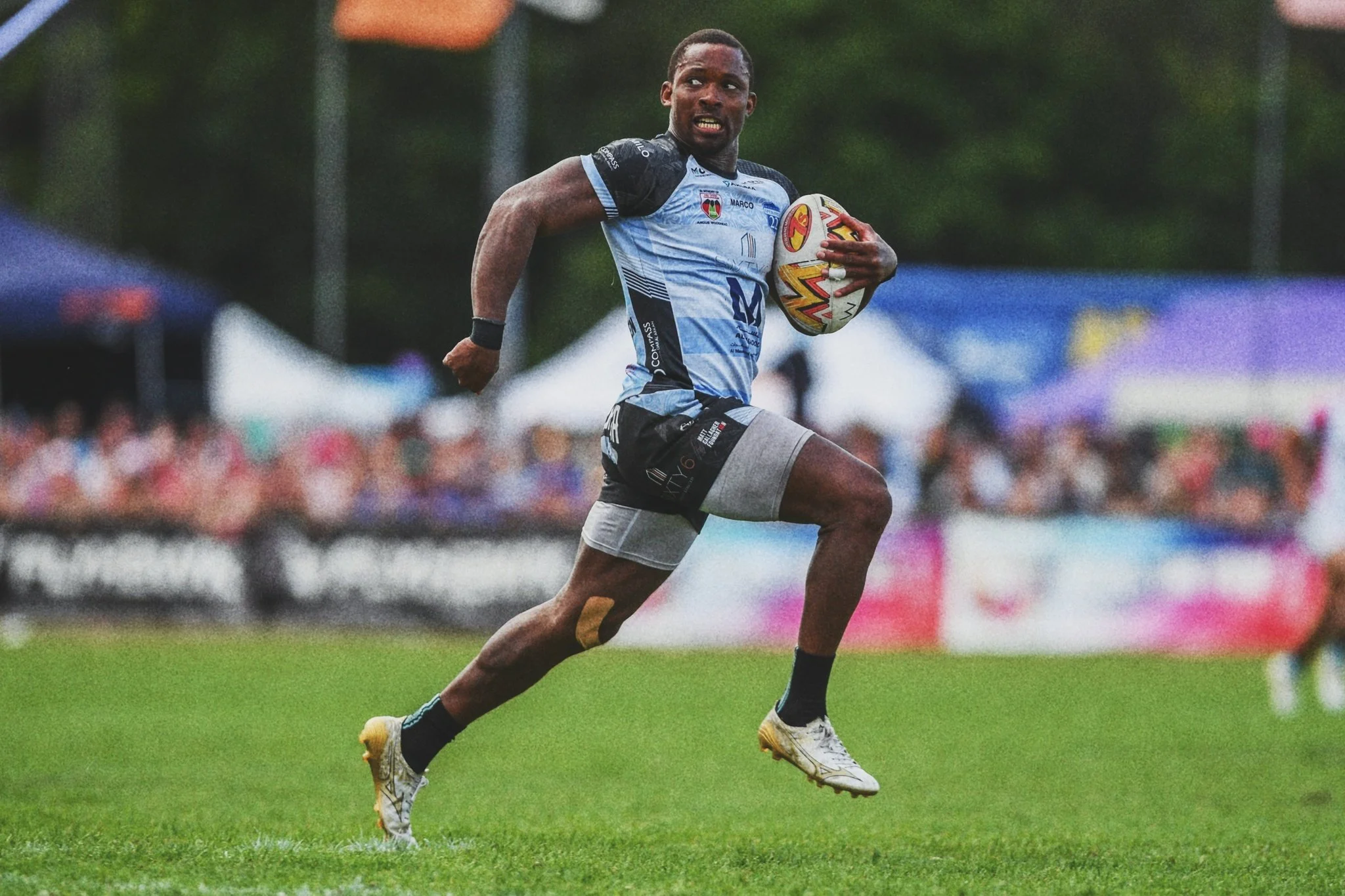
For every ball we sell, we match it. One goes out to a club, a school or a community, nominated by the person who bought it. They tell us where it should land and we send it. One for one, with no rounding and no small print, and the person paying gets to decide who benefits.
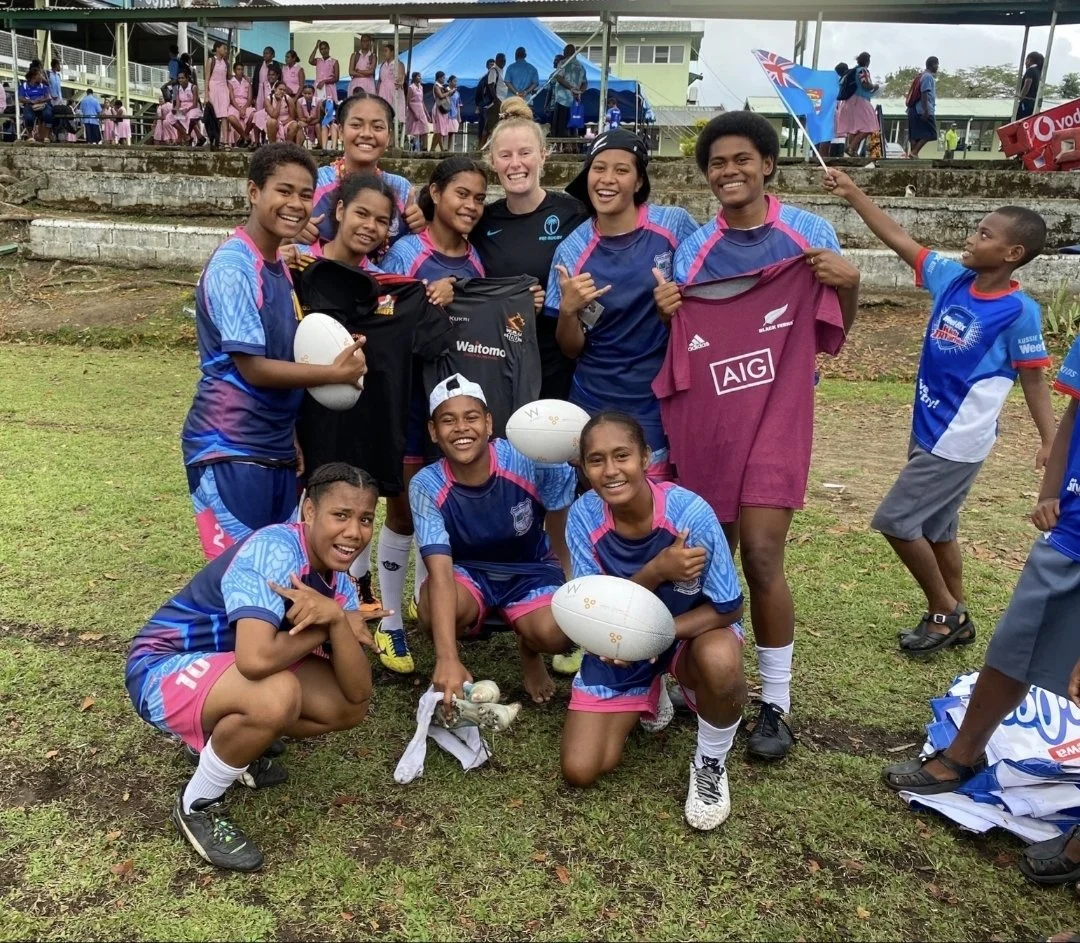
They have gone to clubs across the UK. Through our academy and charity partners they have gone considerably further than that, from Fiji, to Jamaica, and beyond.
what we are actually trying to do
Rugby has looked and sounded the same for about 30 years. The same ball, the same photography, the same voice. A 14-year-old can smell it instantly when a sport is not talking to them, and they will go and find one that is.
So the good stuff goes to the bottom of the pyramid first. The designs are loud, the kit is ours, and it looks like something a kid actually wants to be seen carrying off the bus. Grassroots is the shop window rather than the afterthought.
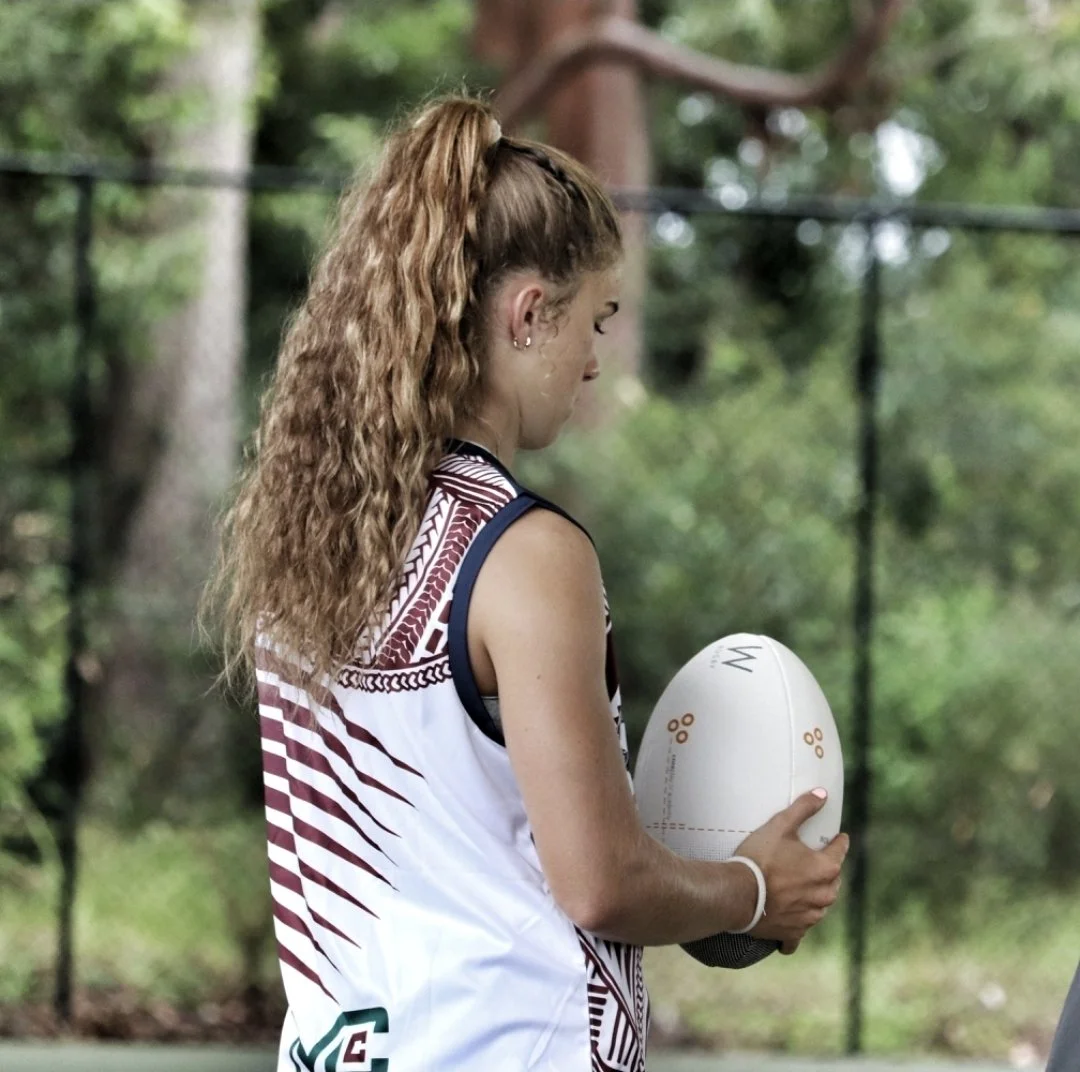
And at least half of everything we shoot is women and girls. That is a floor and not a target. Real players, real clubs, real mud, nobody superimposed onto anything, ever.
Both of us have played this game our entire lives. Between us that is decades of Saturdays, and in all that time the ball in the bag has barely changed and the people getting looked after have barely changed either.
We are not interested in being a slightly nicer version of what already exists.
We are here for the club with 30 kids and 9 balls. The girls team that got given last year's leftovers again. The coaches paying for cones out of their own wages. And the Sunday morning where a kid turns up for the first time, gets handed a ball that is genuinely brilliant, and decides on the spot that they’re is coming back next week.
We’re not men’s or women’s rugby, we’re better rugby, for all. That is the reason there is a company at all.
Every W RUGBY ball sold sends another one back into the game. That is Won for Won™.